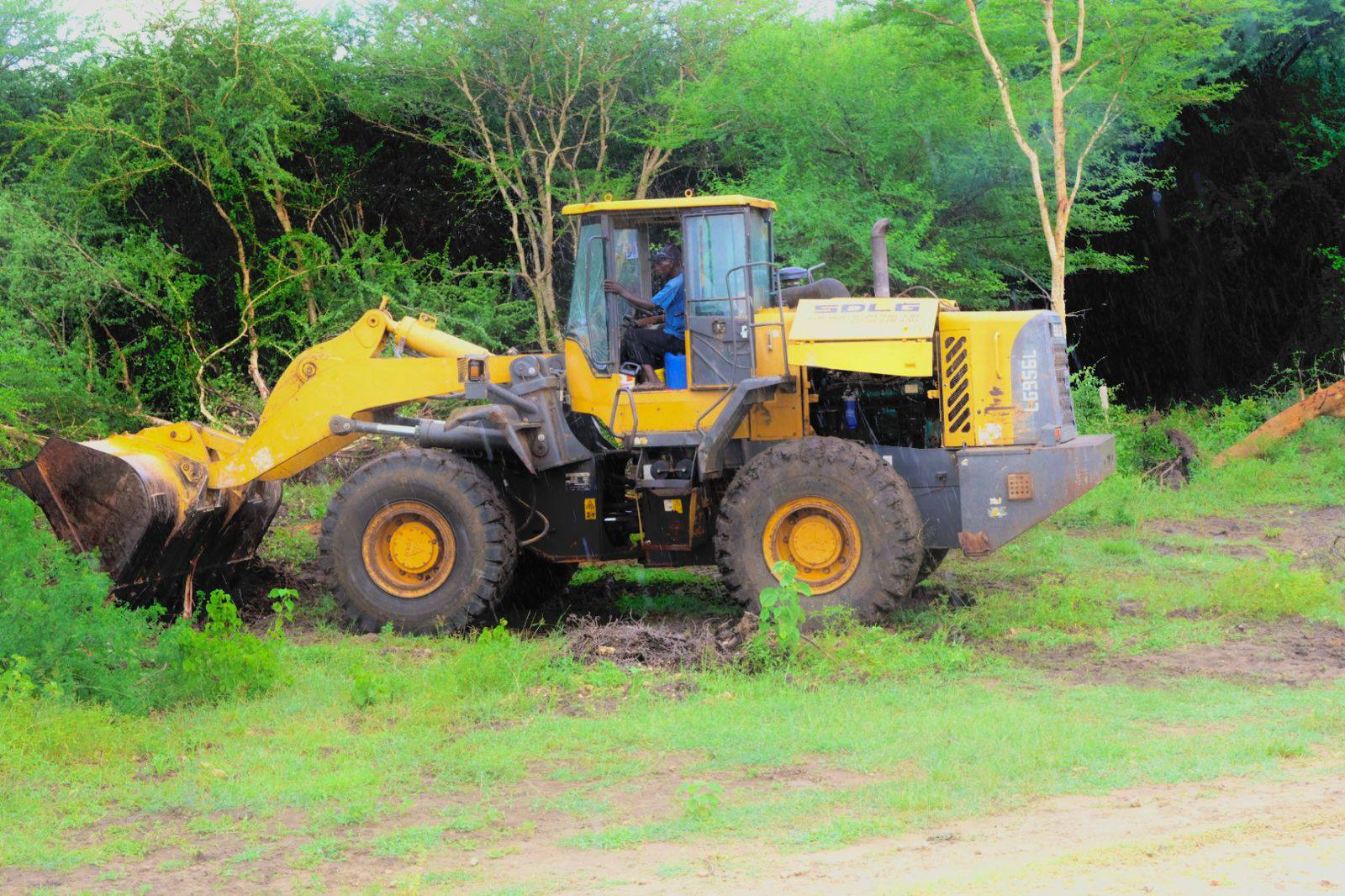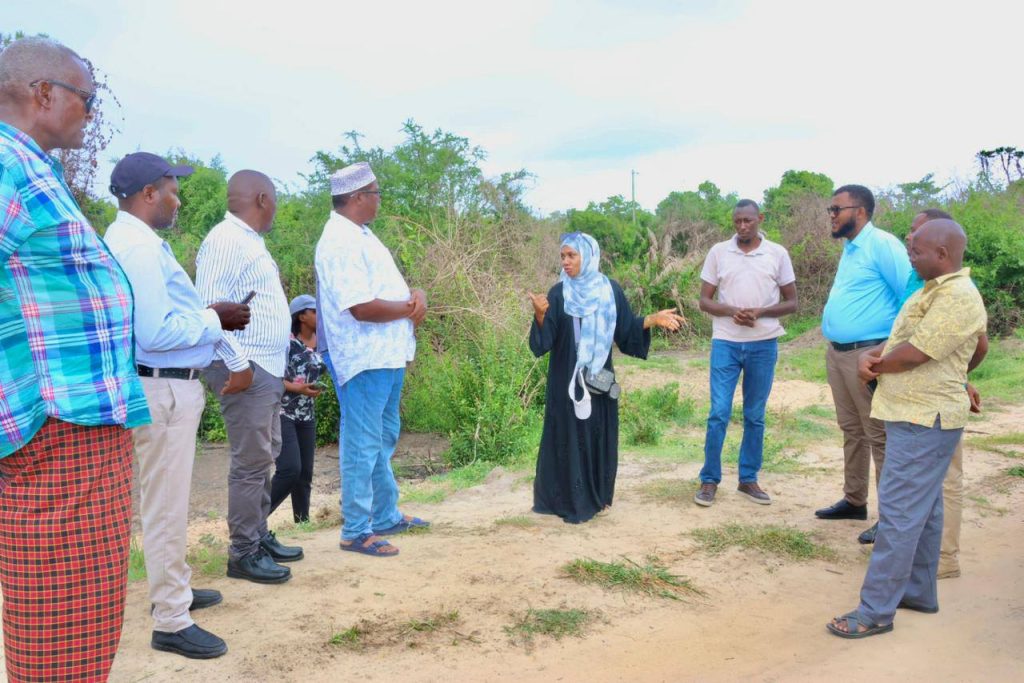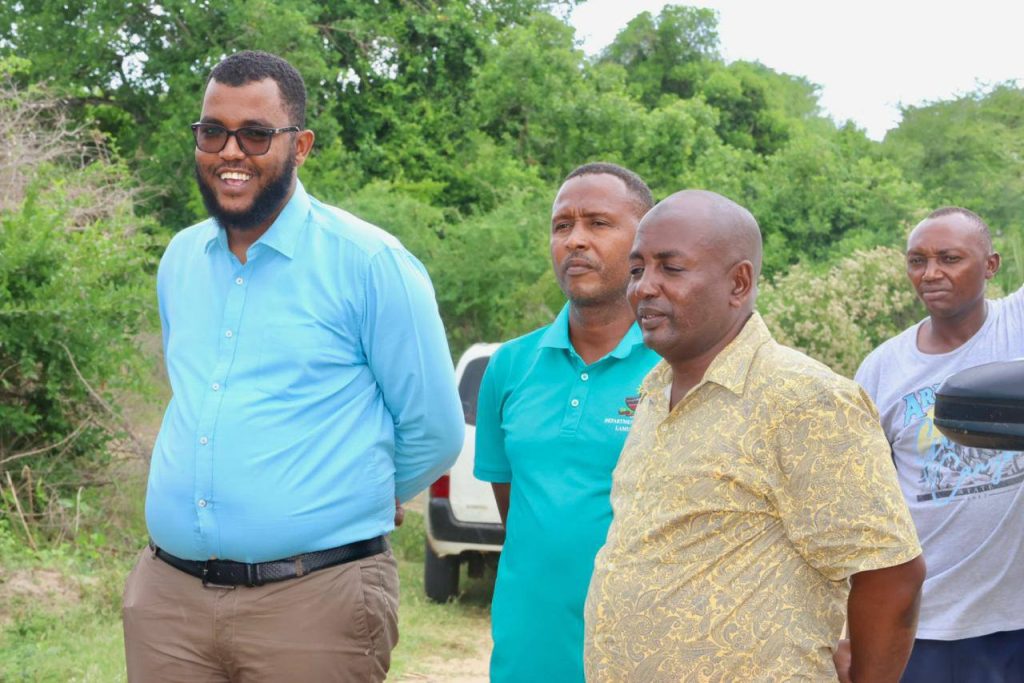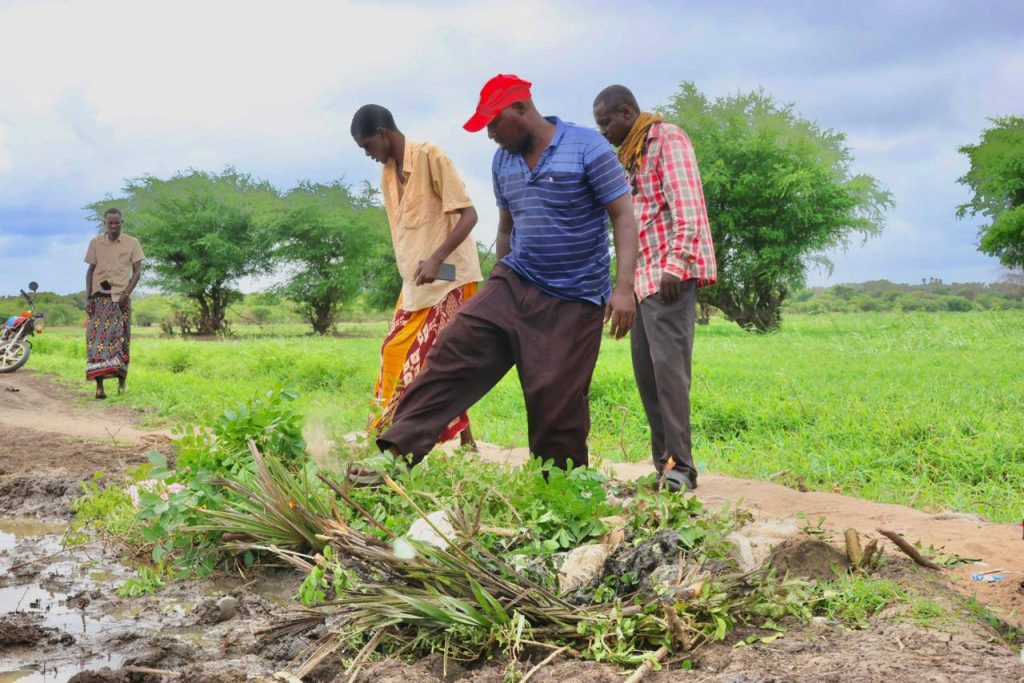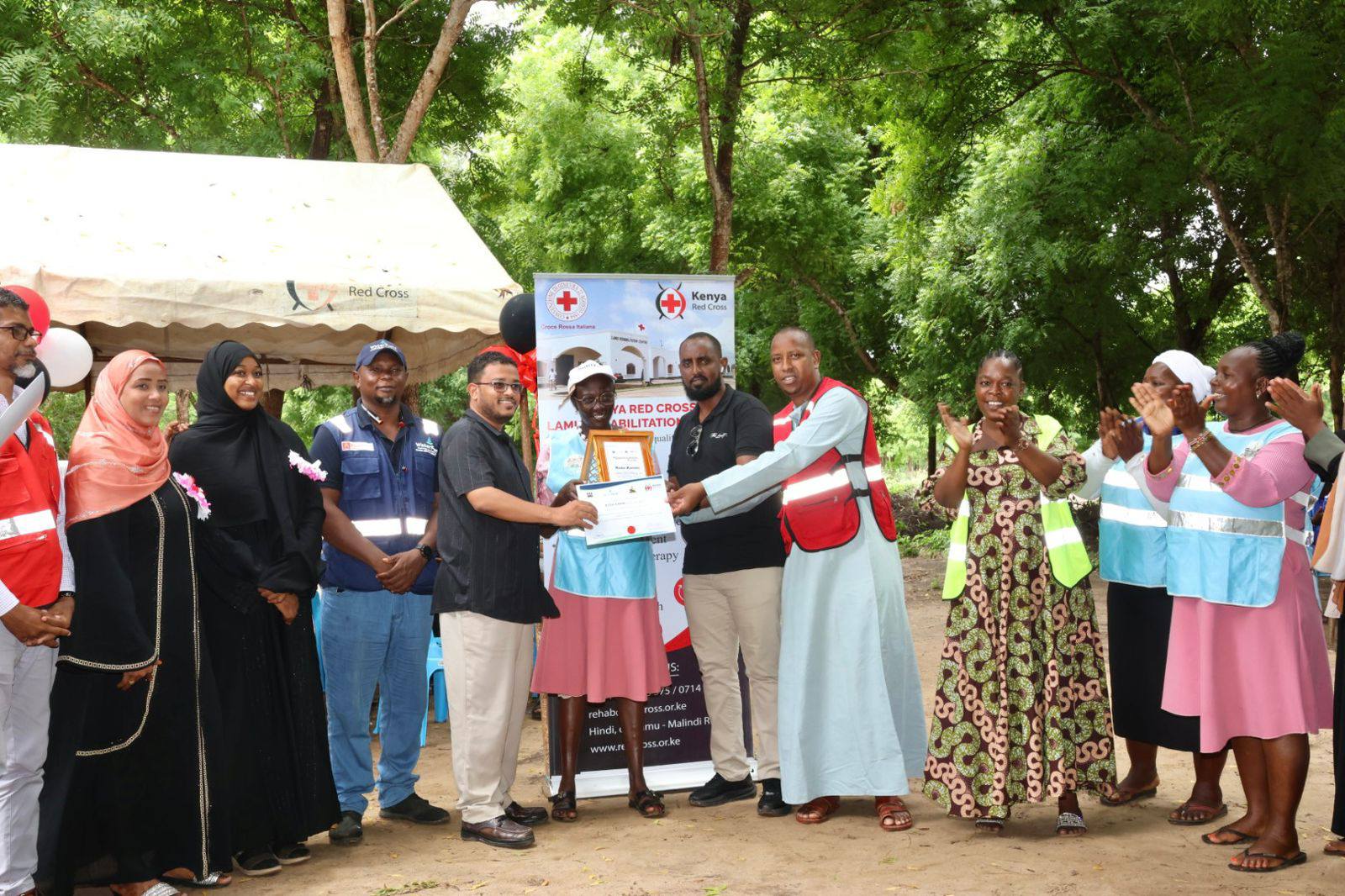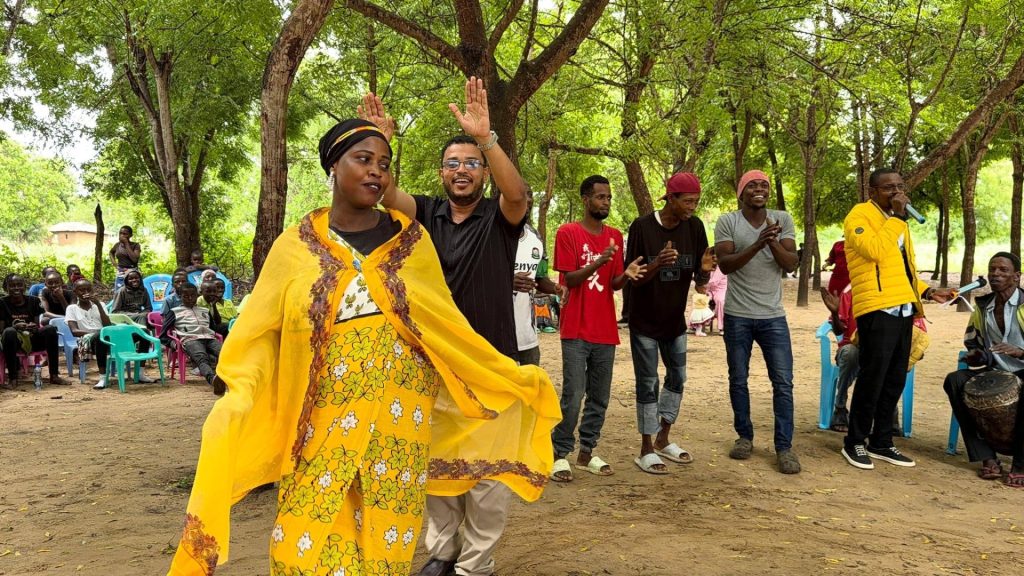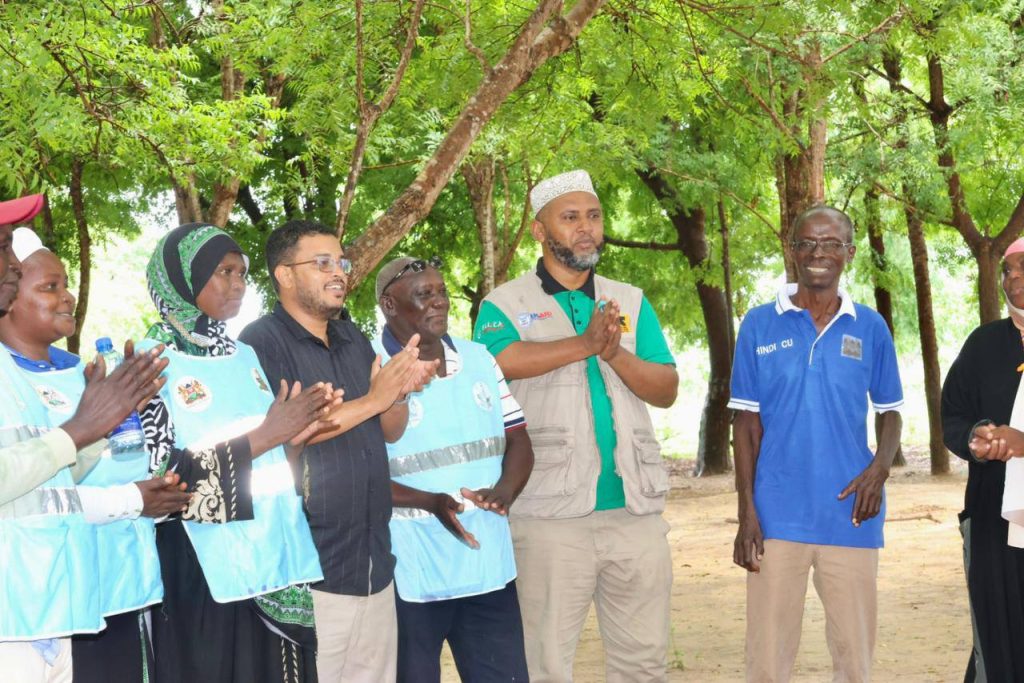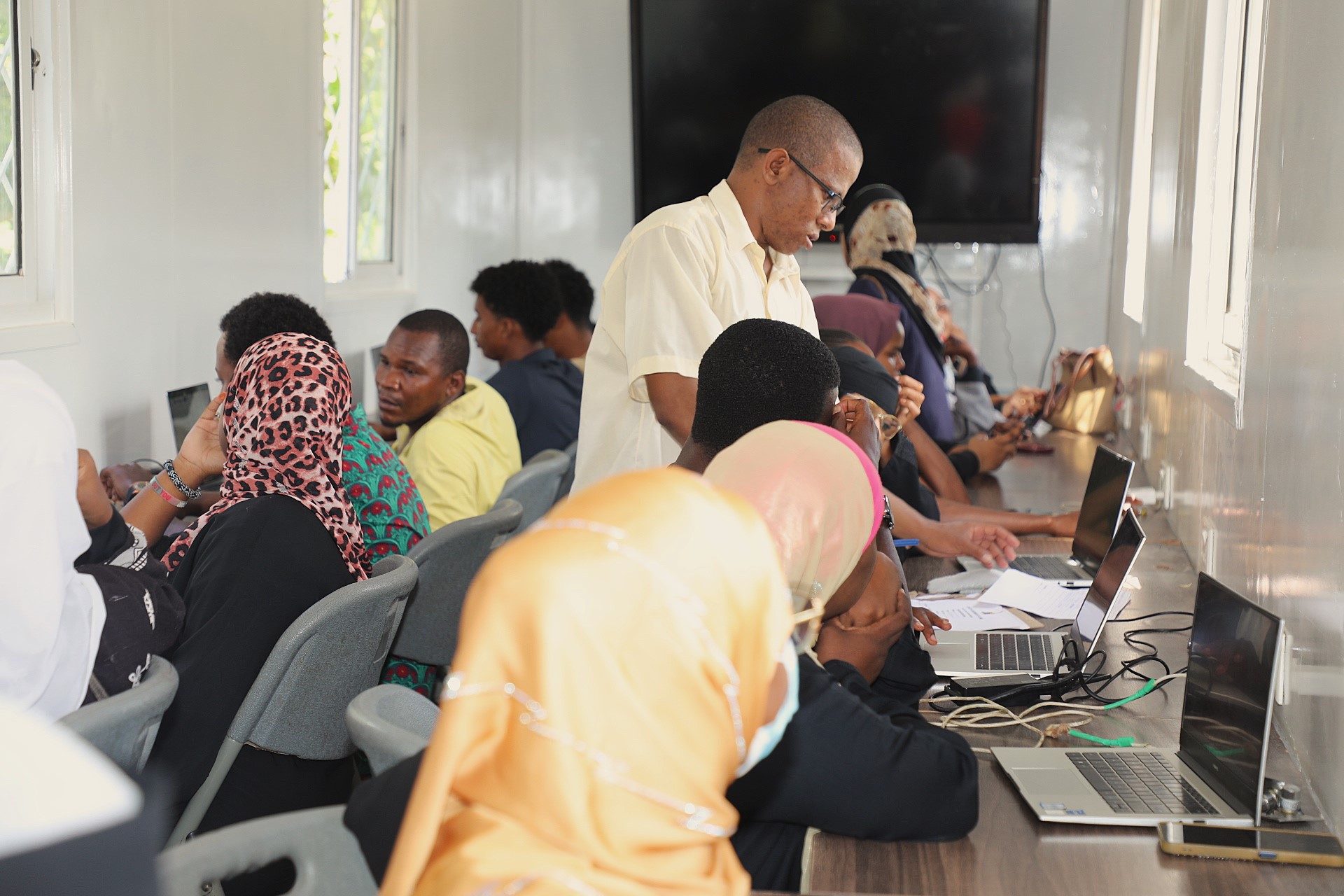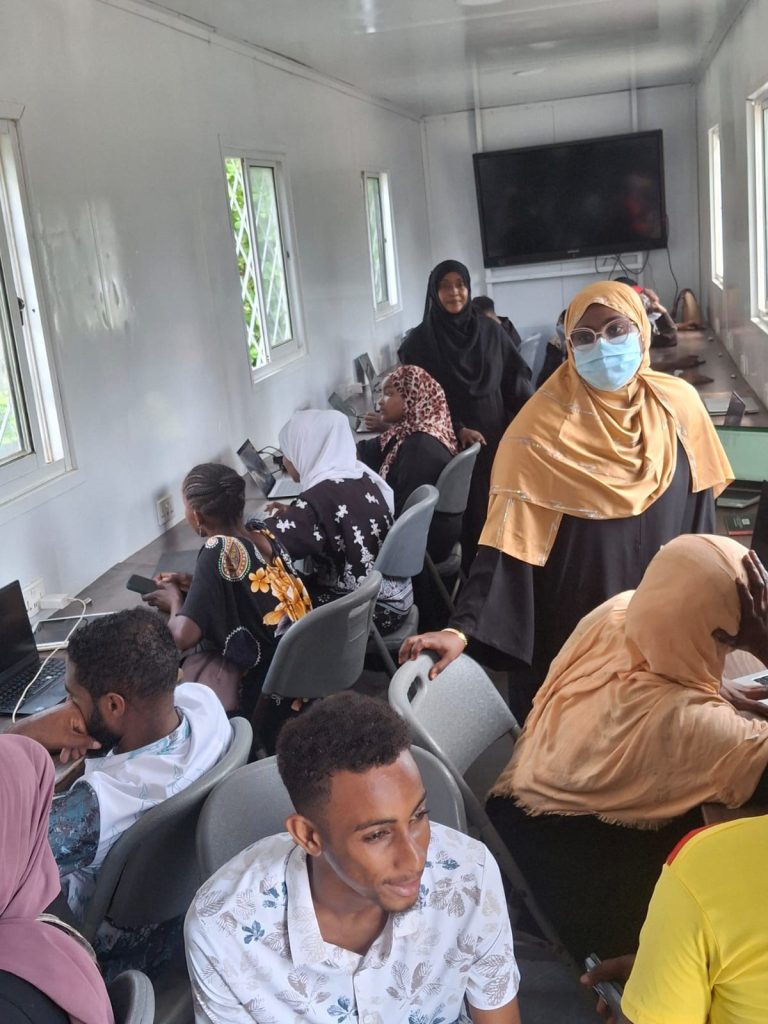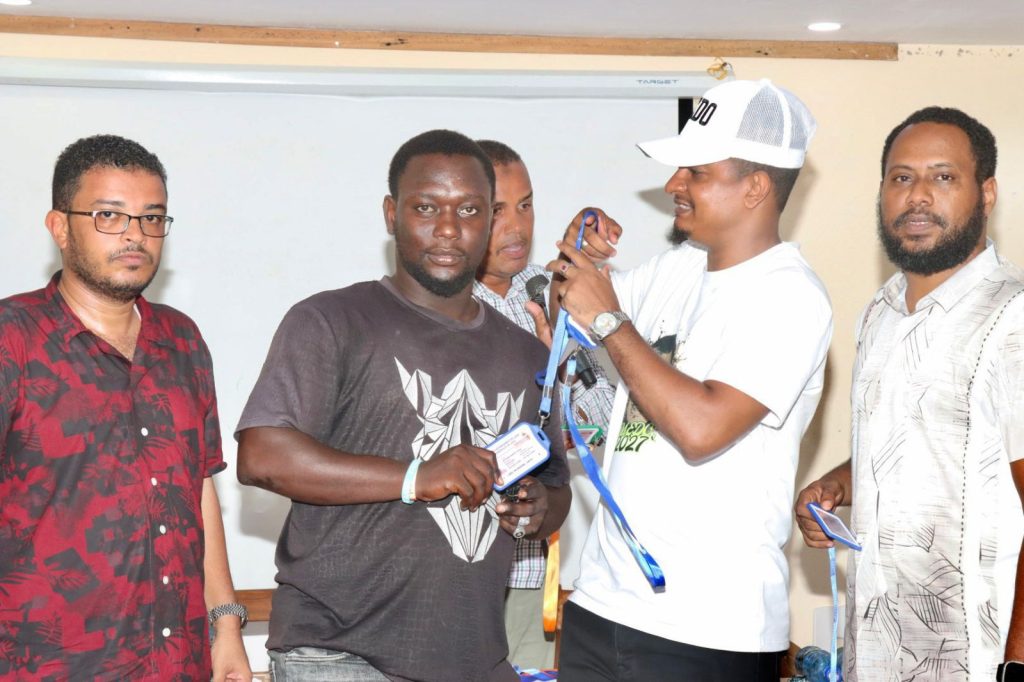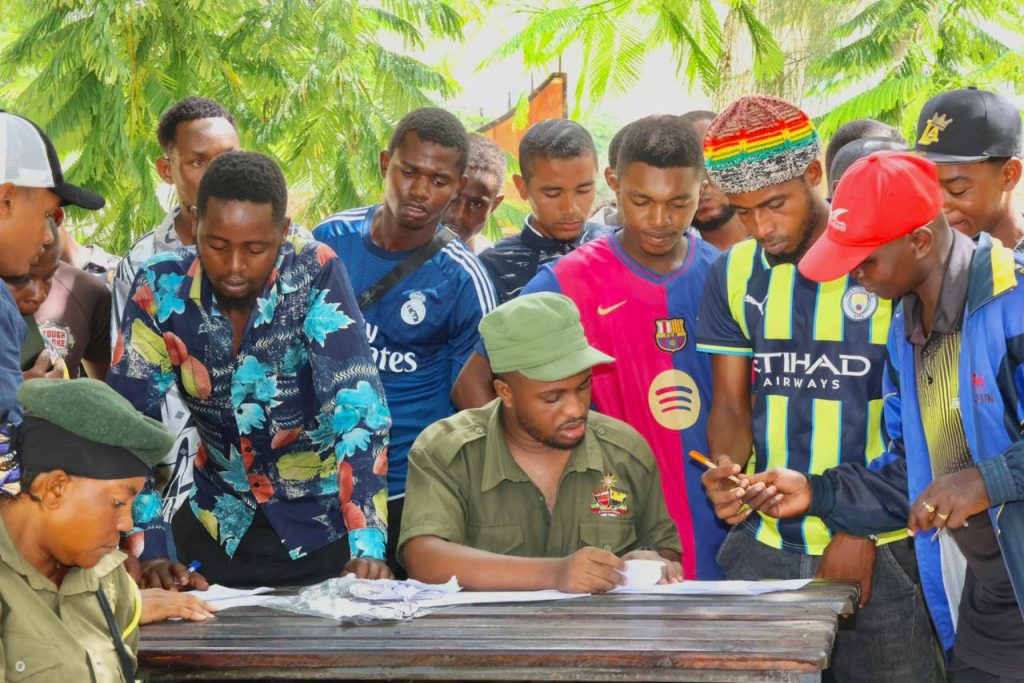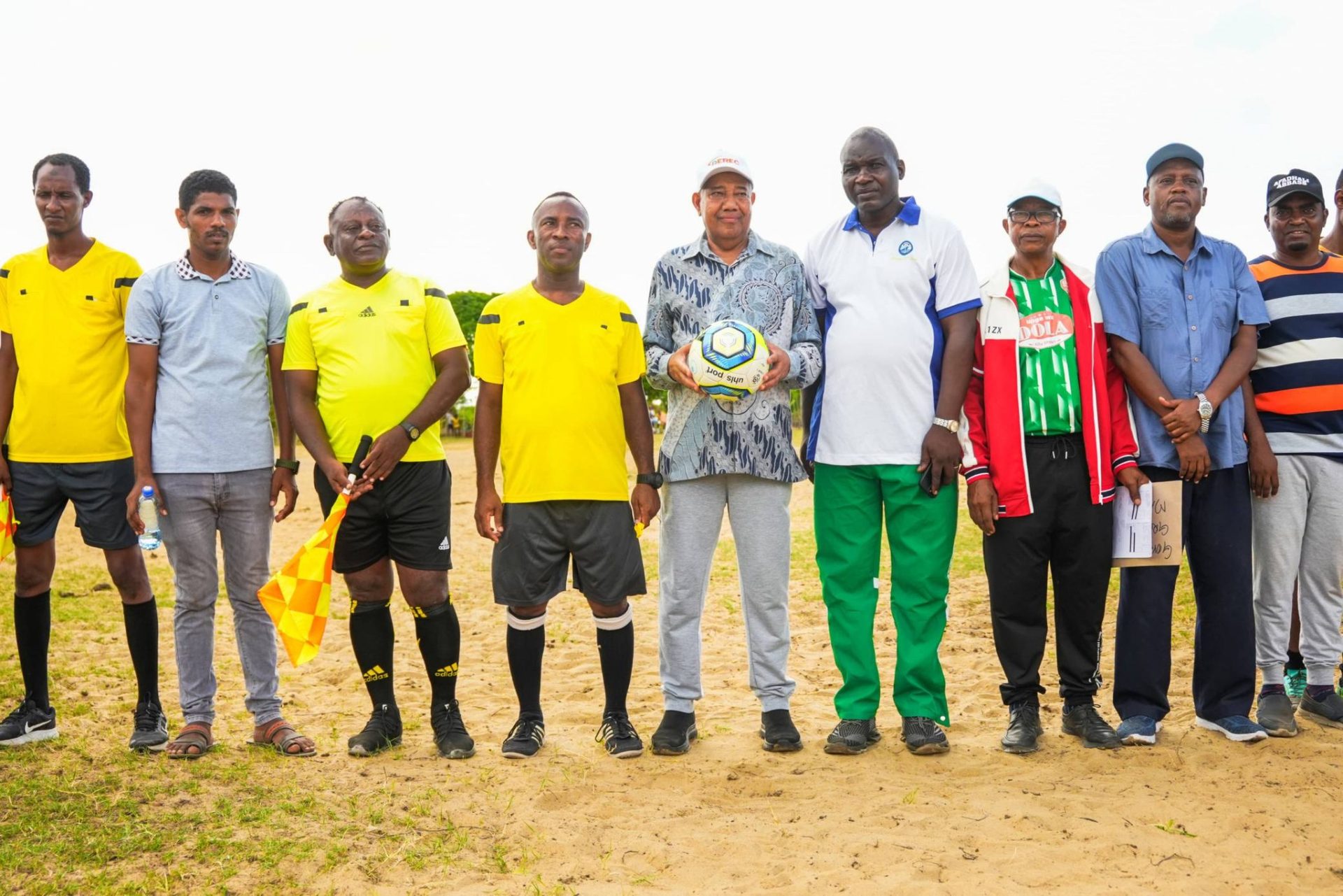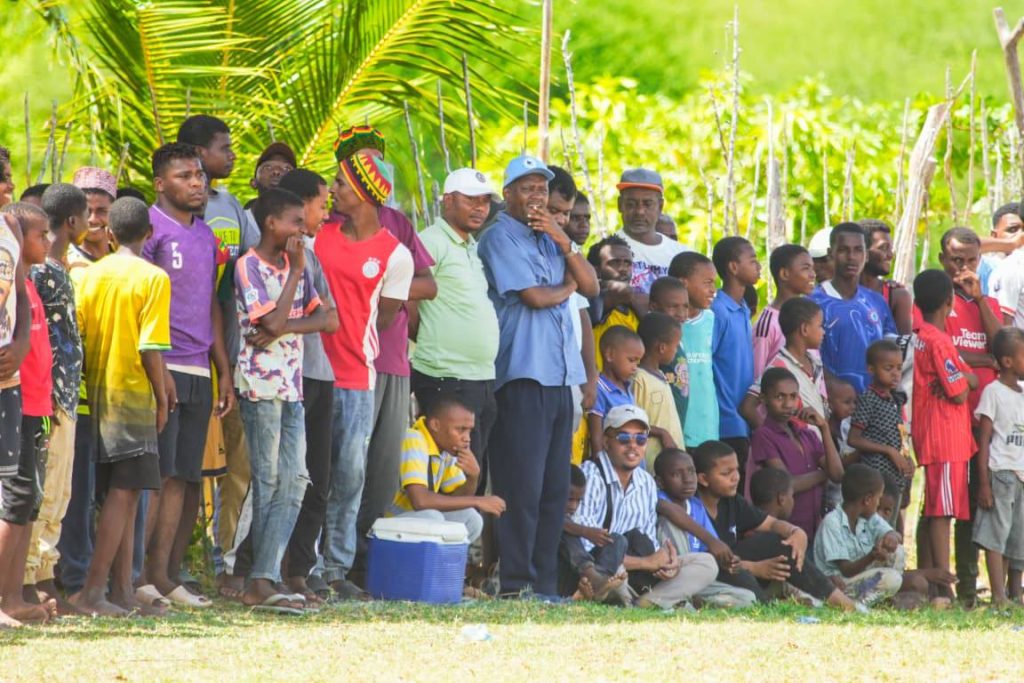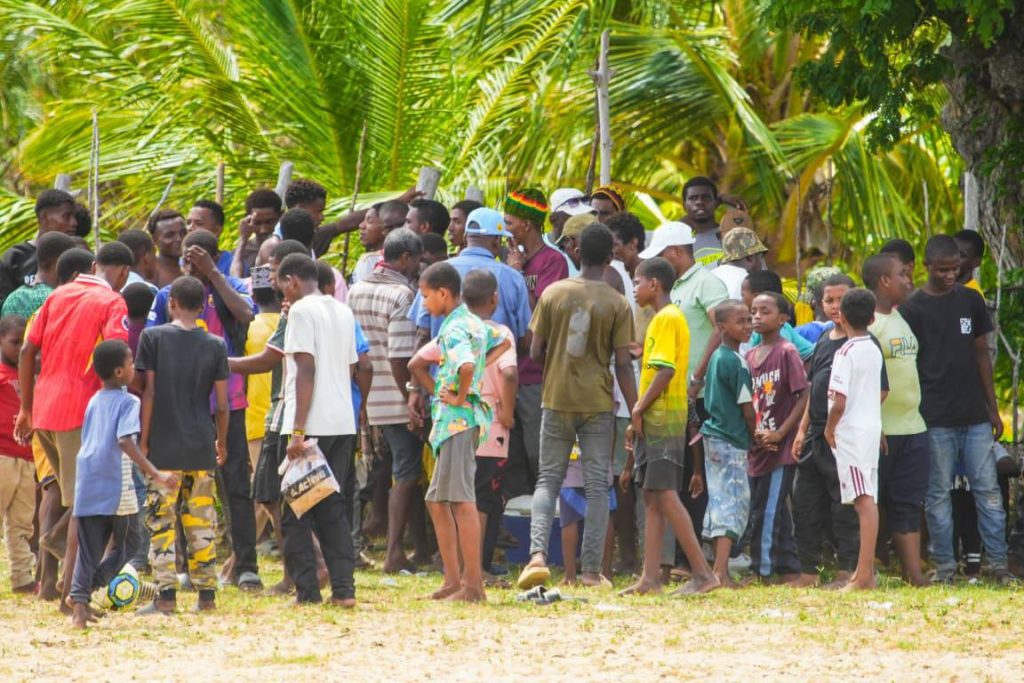
The Lamu Municipality has launched an environmental conservation initiative that includes planting more than 3,000 mangrove seedlings, conducting a village wide clean up exercise, and fumigating households in Kiangwi Village, Basuba Ward.
The activity is part of the Kiangwi Mangrove Restoration and Urban Greenery Project, funded under the Kenya Urban Support Program II (KUSP II).
The project aims to strengthen environmental conservation while improving living conditions for vulnerable forest communities.
The mangrove plantation was led by Municipal Environmental Safeguard Officer Gabriel Ngige together with County Conservator Samuel Rodilo.
Participants planted more than 3,000 mangrove seedlings, including Mkoko and Mkandaa, along the Kiangwi shoreline.
— Ends —
For more information, contact the Communications Office at communication@lamu.go.ke.
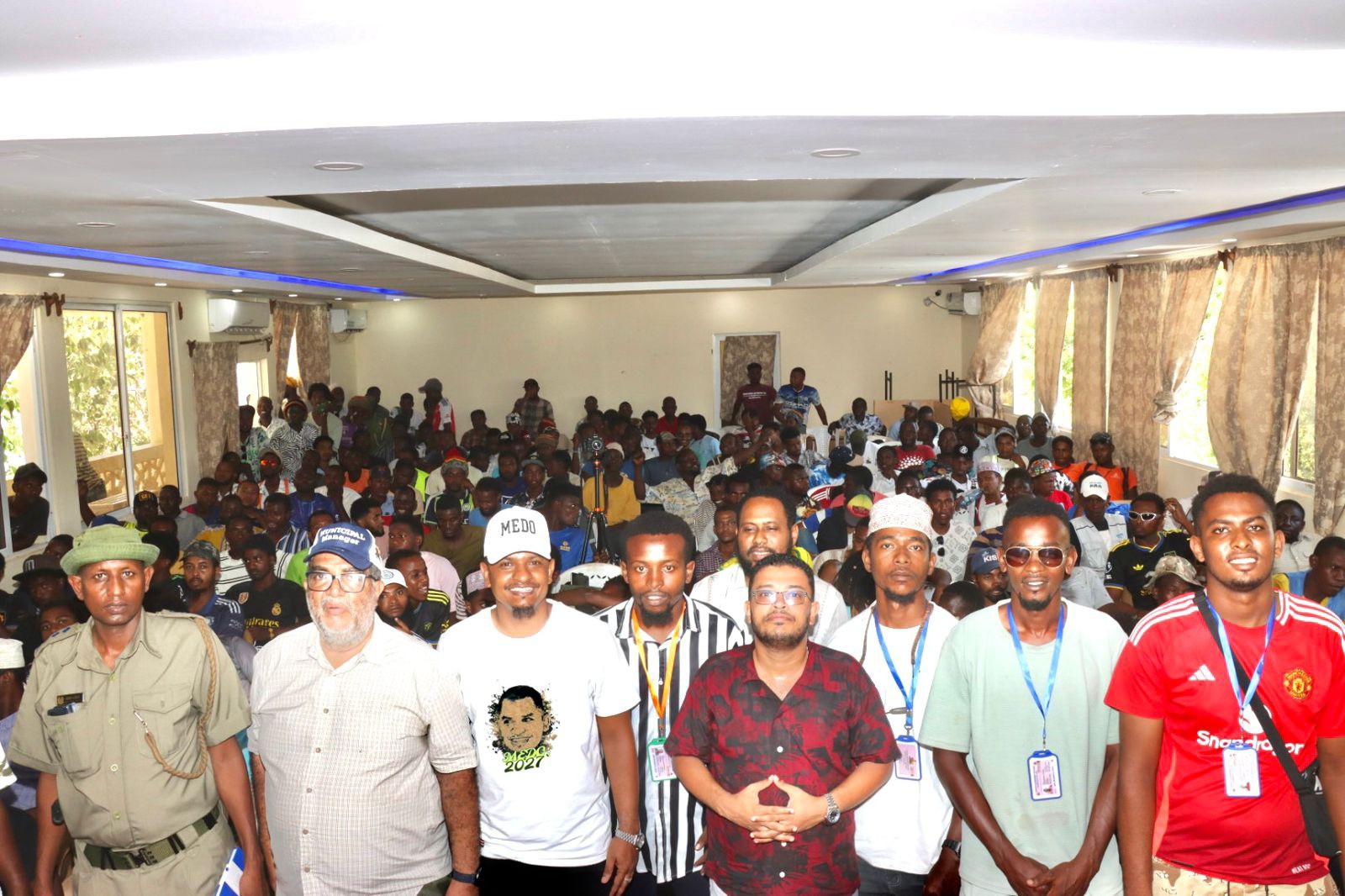
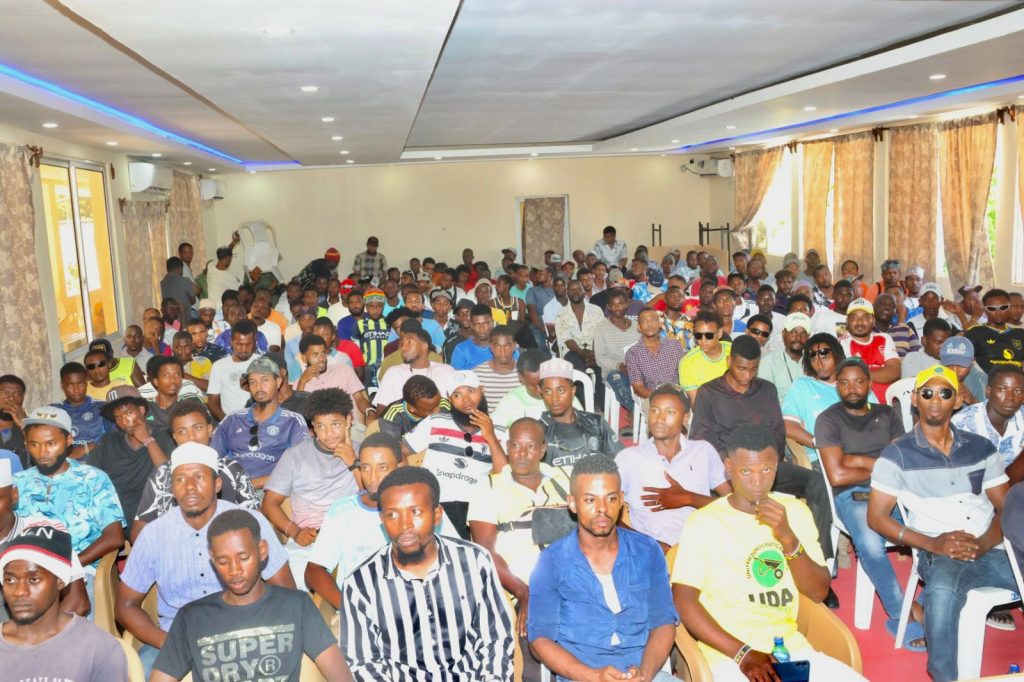
The Municipality of Lamu has launched a community sensitization and awareness program to support the Kiangwi Mangrove Restoration and Urban Greenery Project in Kiangwi Village, Basuba Ward.
The initiative, funded under the Kenya Urban Support Program II (KUSP II), aims to strengthen environmental conservation while supporting vulnerable forest communities.
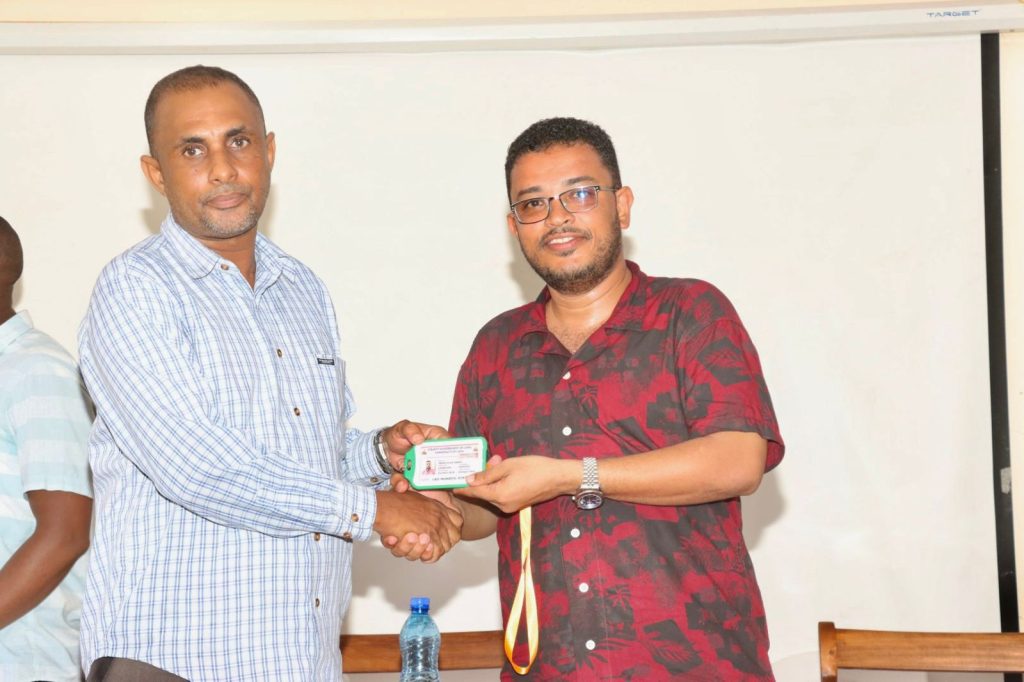
The program was led by Municipal Manager Eng. Abdulswamad Ali was held in Kiangwi Village.
The area is home to the legally recognized marginalized communities of the Awer people and the Boni people, whose livelihoods depend heavily on the surrounding forest and mangrove ecosystems.
For generations, these forest-dwelling communities have relied on natural resources such as honey harvesting and small scale crab fishing for their survival. Their way of life remains closely connected to the health of the ecosystems around them.
However, increasing climate change impacts are threatening both their livelihoods and their longstanding cultural relationship with the forest environment.
Activities under the program include mangrove restoration along the Kiangwi beach, a village-wide clean-up campaign, and fumigation of homes to control harmful insects, pests, and rodents affecting households within the Boni and Awer communities.
The initiative is being implemented under the theme “Loving the Forgotten,” reflecting the municipality’s commitment to ensuring that even the most remote and vulnerable communities are included in development and climate resilience programs.
The program aims to actively involve at least 400 villagers in environmental conservation activities, particularly through participatory mangrove restoration and neighborhood clean-up efforts.
To strengthen community ownership and ensure sustainability of the restoration project, residents elected a nine-member Community Mangrove Restoration Committee.
The committee includes representatives from youth, women, elders, religious leaders, persons with disabilities, the business community, Community Forest Association representatives, and the local administration, including the sub-chief.
The committee will oversee the nurturing of planted mangrove seedlings and conduct monthly monitoring and evaluation visits to track the growth and survival of the restored mangrove areas.
The event was attended by Chief Officer for Lands Ahmed Ali (Loo), County Forest Police Commander Musa S. Wanyama, and Senior Forester Hatibu Mwashetani from the Lamu station.
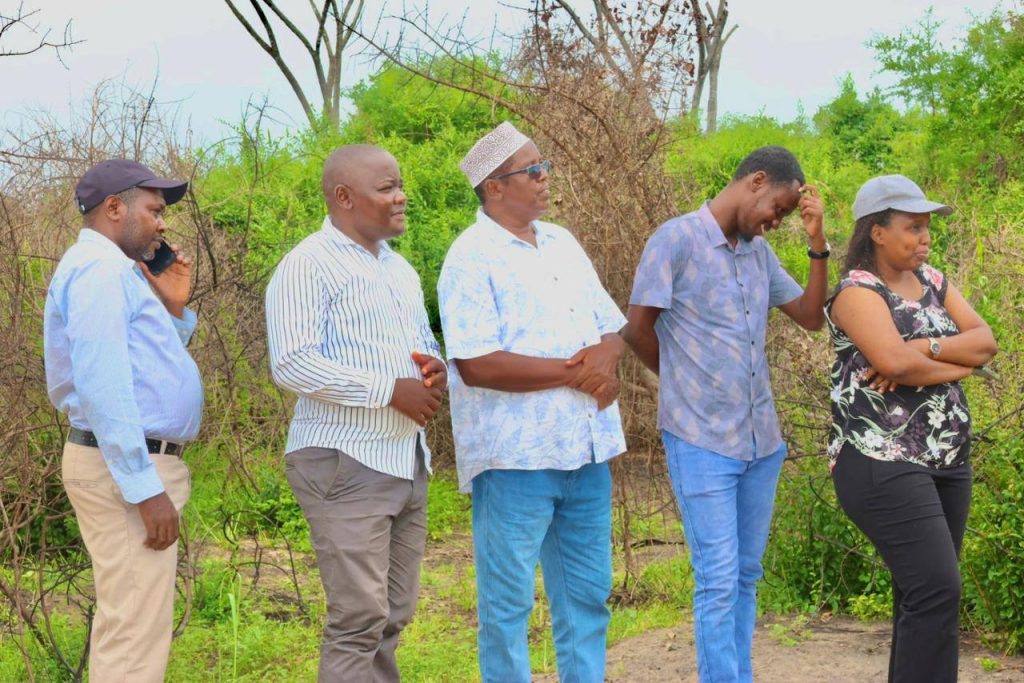
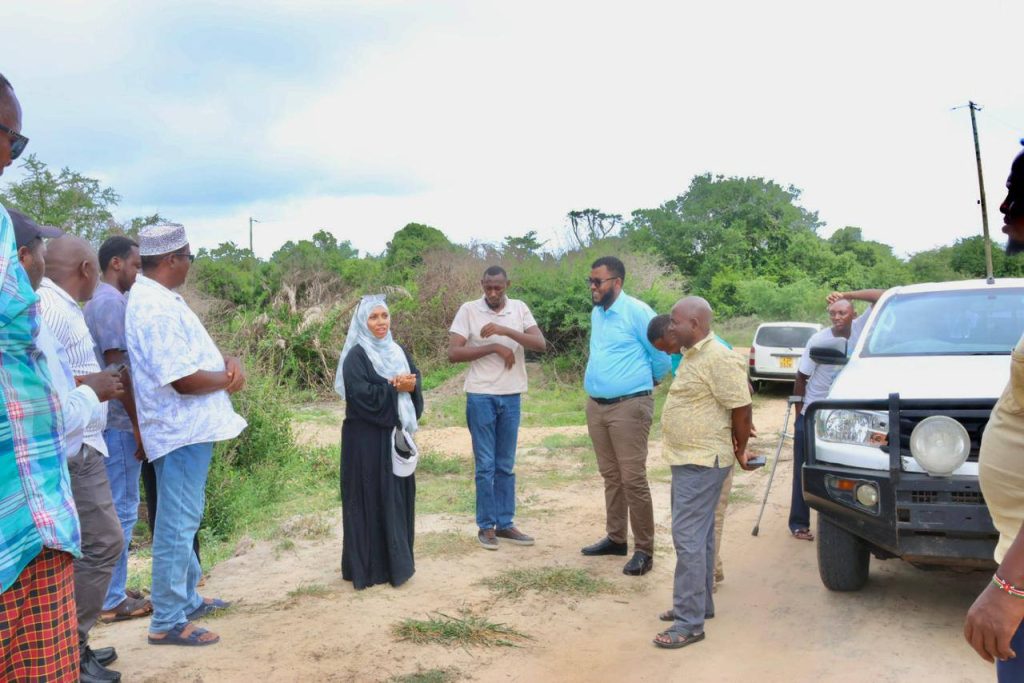
Together with community members, they carried out a technical assessment of the restoration site.
During the assessment, two dominant mangrove species present in the area Mkoko and Mkandaa were identified to guide the restoration and planting strategy.
— Ends —
For more information, contact the Communications Office at communication@lamu.go.ke
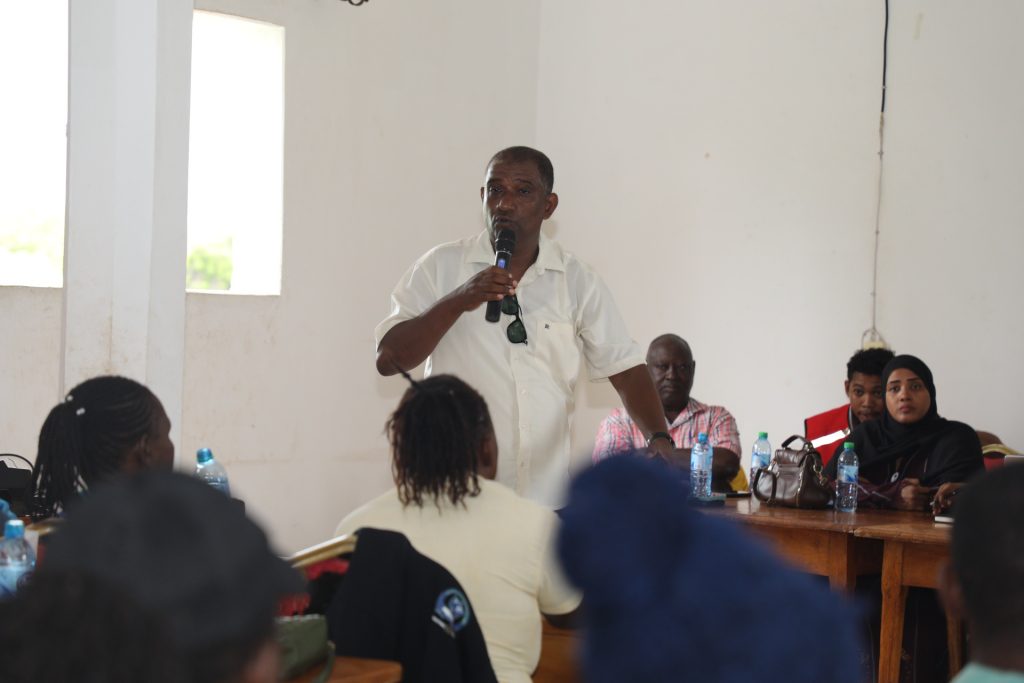
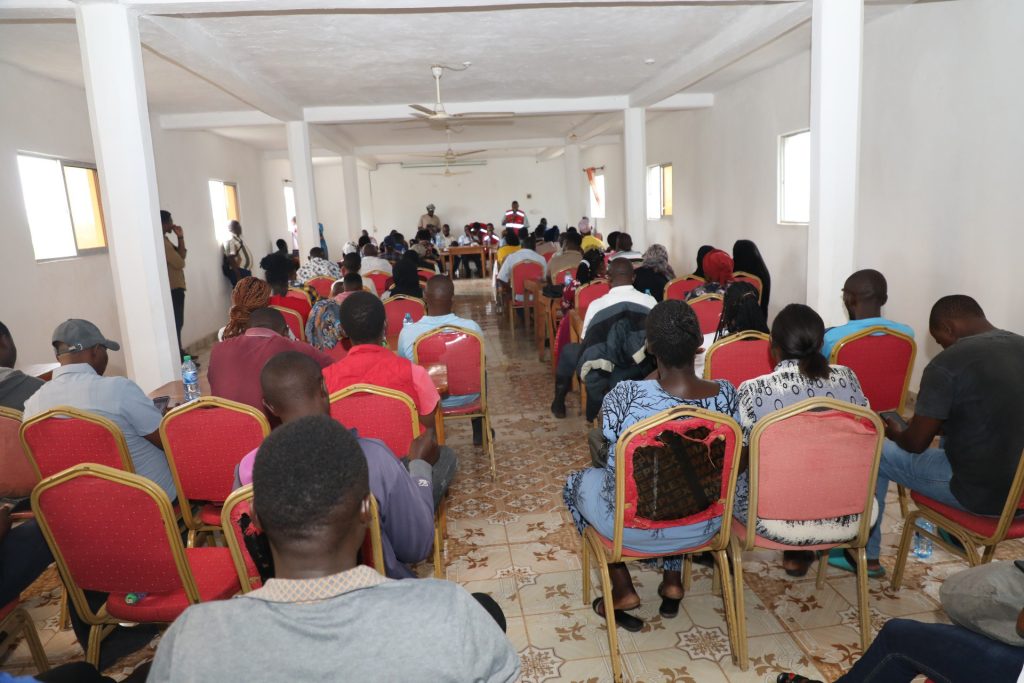
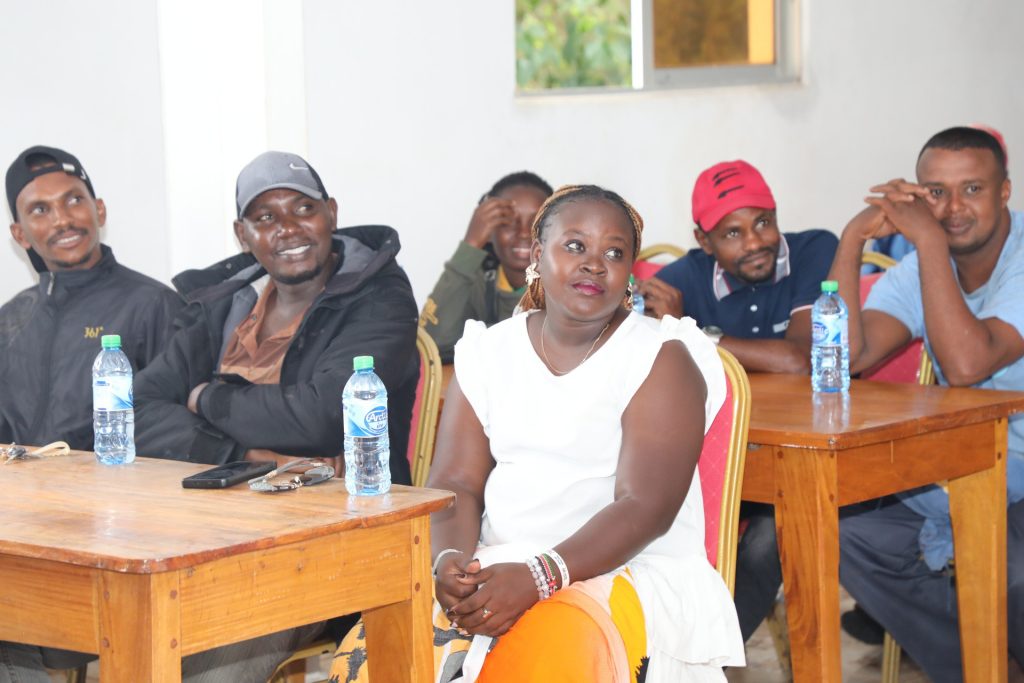
The County Government of Lamu on Tuesday held a stakeholder engagement meeting with traders and market committee members in Mpeketoni to create awareness on the proposed modern open-air market set to be constructed in the town.
During the meeting, traders were taken through the project design, which will see the current mabati structures and vibandas replaced with a modern two-storey market facility. The upgrade is expected to improve accessibility within the market, which has been a major challenge under the current congested layout.
Speaking during the engagement, County Executive Committee Member (CECM) for Agriculture Mr. James Gichu said the project will stimulate further development in Mpeketoni and improve the business environment for traders.
“This project will attract more developments and open up Mpeketoni town economically,” he noted.
Trade Chief Officer Ms. Joyce urged the market committee and traders to support the project, noting that the modern market will significantly improve infrastructure within the town, including proper drainage and better access routes.
The proposed two-storey market will sit on a 60 by 52 feet area and is expected to accommodate approximately 700 stalls. The facility will also include designated trading spaces, restaurants, and a social hall to support both business and community activities.
Officials noted that the current market setup poses safety concerns due to poor accessibility, especially during emergencies or disasters. Market committee members welcomed the project and requested clear guidance on the relocation of traders during the construction period. County officials assured them that the relocation process will be handled effectively to ensure minimal disruption to their businesses.
The meeting was attended by market committee members led by Chairman Mr. David Gikaru, Ward Administrator Mr. Jamal Fumo, representatives from the offices Bahari Ward MCA.
_Ends_
Fr more information contact communication office at communication@lamu.go.ke
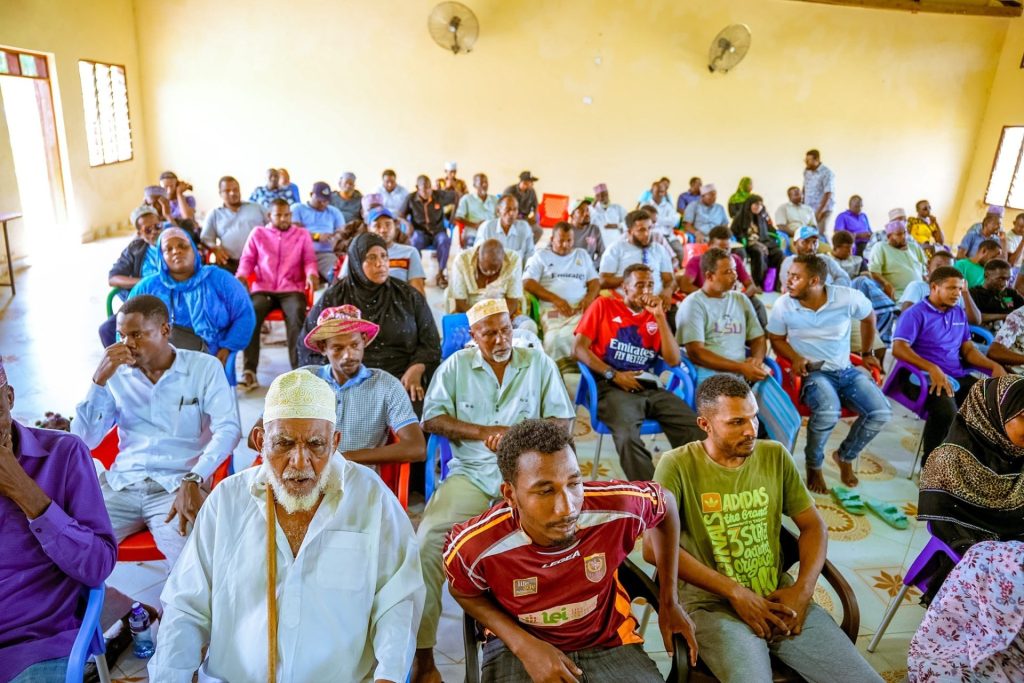
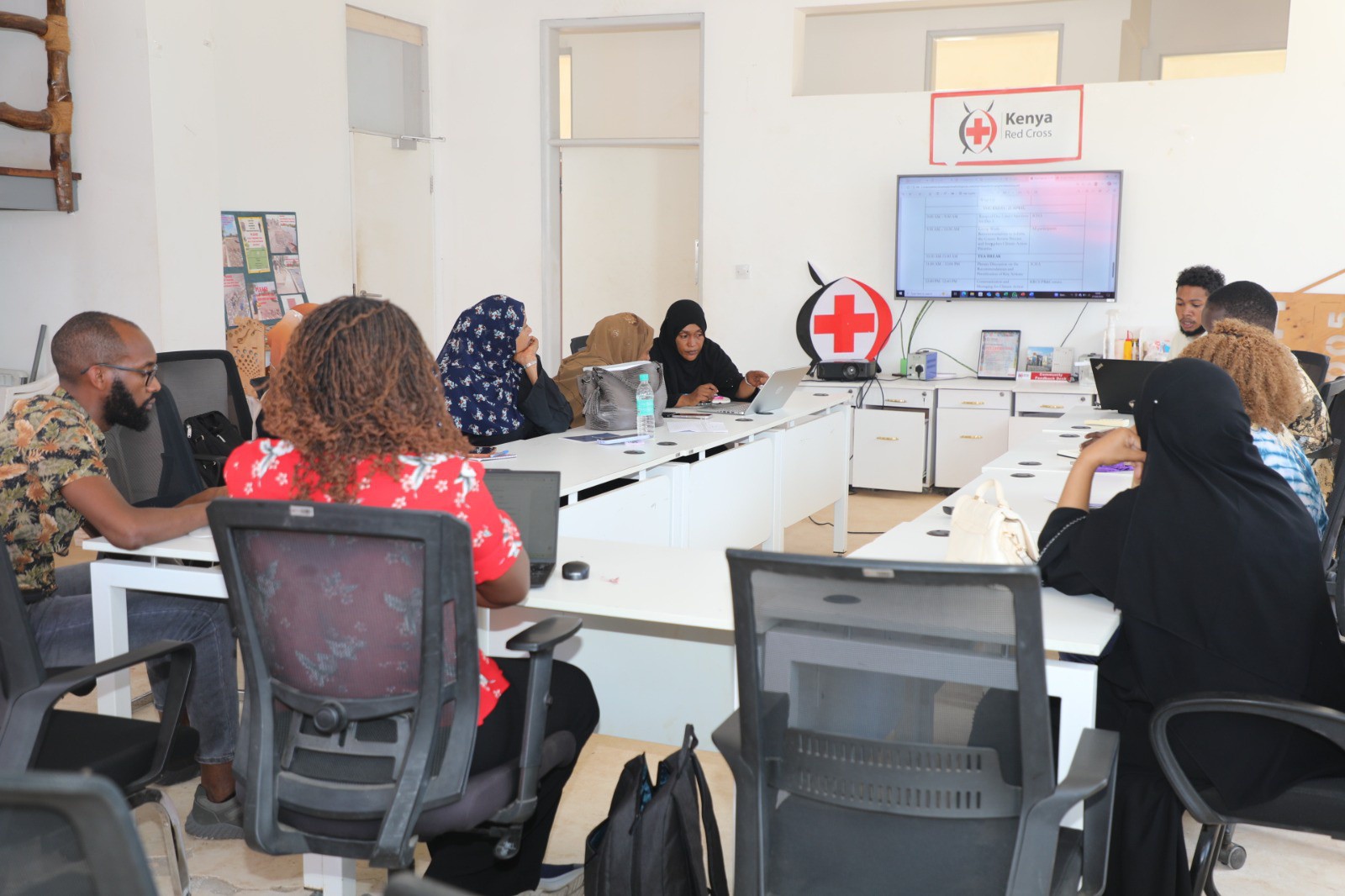
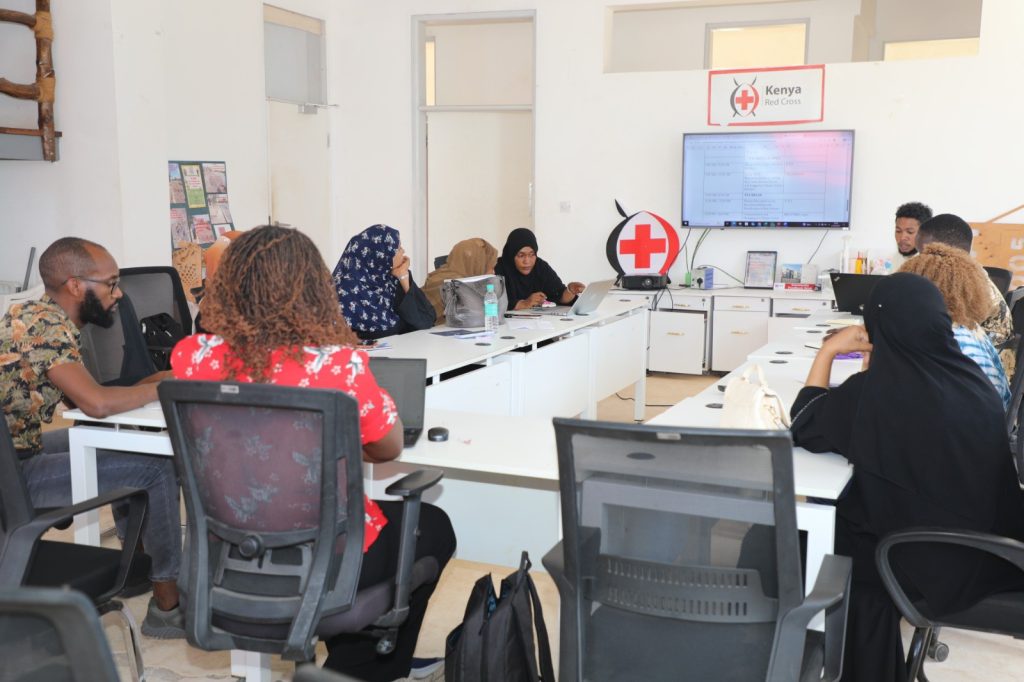
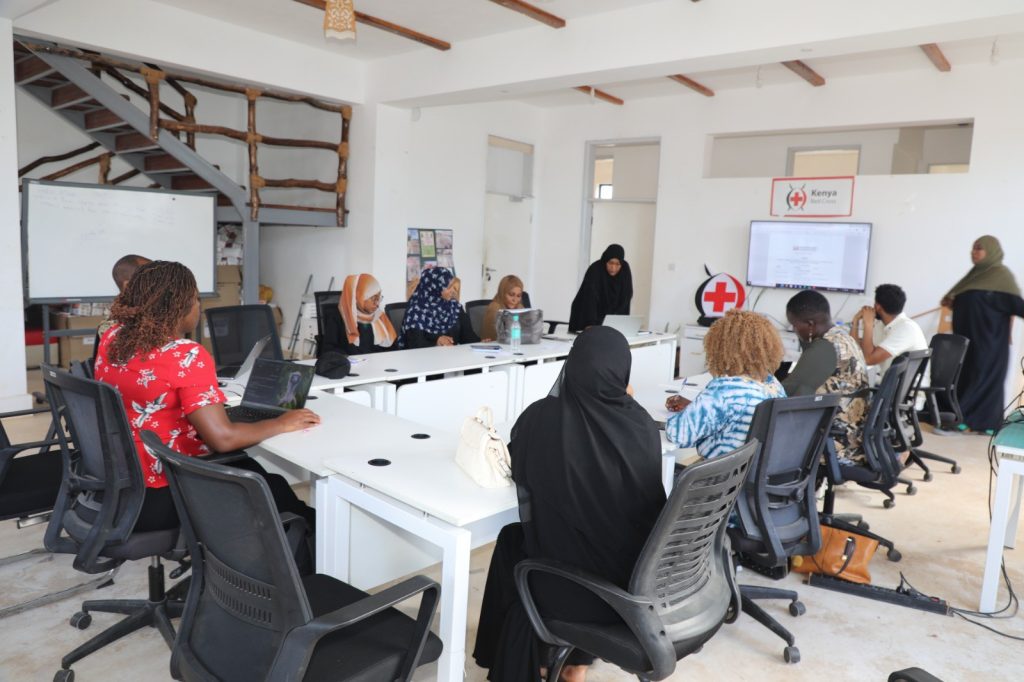
The County Government of Lamu has taken a step toward strengthening urban governance and financial sustainability following a technical review of the Model County Financing of Cities and Urban Areas Bill.
The review meeting, convened through the Office of the County Secretary in collaboration with the Municipality of Lamu, was held at the Lamu Vocational Training Hall.
The session brought together senior county officials, finance experts, legal officers, and municipal administrators to deliberate on the proposed legislative framework that will guide the financing and financial management of municipalities and urban areas.
The proposed Bill aims to strengthen financial management and accountability within municipalities, establish clear mechanisms for revenue delegation and retention, and provide a structured formula for allocating funds to urban areas.
It also seeks to promote efficient service delivery and support sustainable urban development.
The meeting was held under the Kenya Urban Support Programme (KUSP), a national initiative that supports counties in strengthening urban institutions, improving infrastructure, and enhancing service delivery in municipalities and urban areas.
Following the technical review, the draft document will undergo public participation where stakeholders and members of the public will be invited to provide views and recommendations.
The final document will then be submitted to the County Executive Committee and later to the County Assembly for consideration.
Among those who attended the meeting were County Executive Committee Member for Lands Tashrifa Bakari, Lamu Municipality Manager Abdulsewamad Ali, Chief Officer for Lands Ahmed Ali (Loo), Chief Officer for Finance Salma Omar, and Chief Officer for Budget Bwanakheri Avokame, County Attorney Kulthum Harith among other county officials.
— Ends —
For more information, contact the Communications Office at communication@lamu.go.ke

Tchundwa Primary School pupils have received classroom furniture in a donation aimed at improving the learning environment and encouraging unity among neighboring communities.
During the distribution exercise, Lamu County Deputy Governor Dr. Mbarak Bahjaj urged residents from surrounding villages to maintain peace and resolve their differences through dialogue for the benefit of their children.
He noted that schools should be safe spaces where children from different villages can interact, learn and grow together without divisions.
“Our schools must remain symbols of unity. When communities embrace peace and coexistence, we create a better environment for our children to learn and prosper,” Dr. Bahjaj said.
The furniture donation was made possible through the support of the Regional Director of the Human Development Fund, Mr. Abdulrahman.
Ends
For more information contact the Communication Office at communication@lamu.go.ke
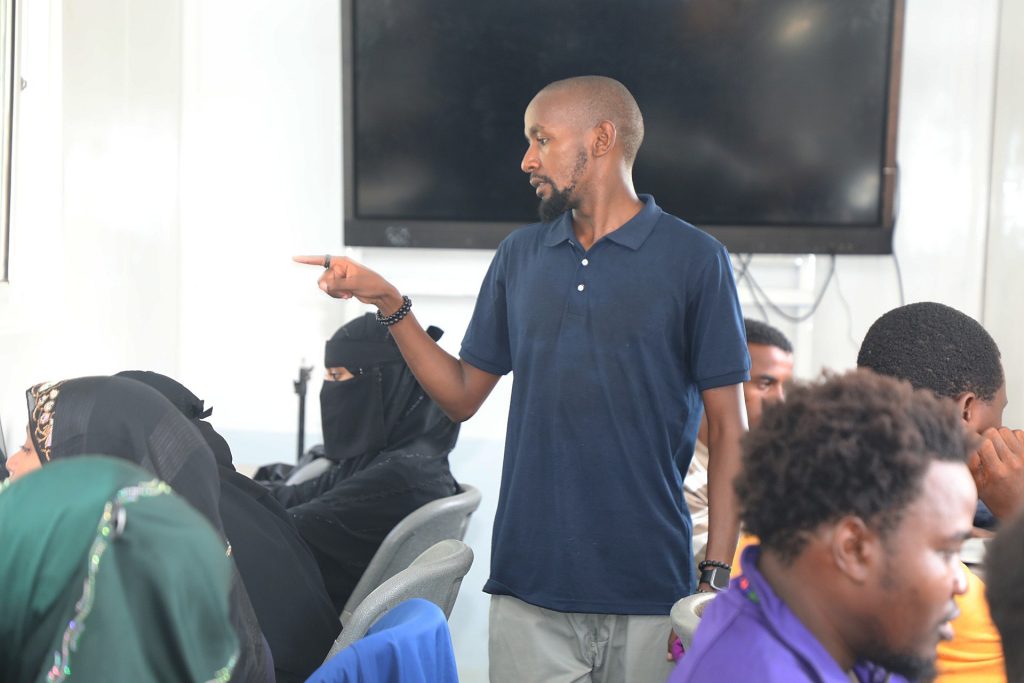
Students at Patte Girls Secondary School have received classroom furniture in an initiative aimed at improving learning facilities and strengthening peaceful relations among neighboring communities.
While overseeing the distribution exercise, Lamu County Deputy Governor Dr. Mbarak Bahjaj called on residents from surrounding villages to embrace peace and work together for the development of the region.
He emphasized that education remains a powerful tool for bringing communities together and shaping a future grounded in cooperation and mutual respect.
The donation was made possible through the support of the Regional Director of the Human Development Fund, Mr. Abdulrahman.
Ends
For more information contact the Communication Office at communication@lamu.go.ke

Students at Kizingitini Secondary School have benefited from a donation of classroom furniture in an initiative aimed at improving the learning environment while also promoting peace among communities in the area.
The distribution exercise was led by Lamu County Deputy Governor Dr. Mbarak Bahjaj, who used the opportunity to call on residents of neighboring villages to embrace peaceful coexistence and dialogue.
Dr. Bahjaj emphasized that development initiatives such as education should serve as a bridge to unite communities and create a better future for the younger generation.
“Our children must grow up in an environment defined by peace, cooperation and mutual respect. When communities coexist harmoniously, development becomes possible and education thrives,” said Dr. Bahjaj.
The furniture was donated through the support of the Regional Director of the Human Development Fund, Mr. Abdulrahman, whose organization continues to support education and community development initiatives in the region.
Ends
For more information contact the Communication Office.
Learners at Lumshi Primary School in Lamu West Sub-County have received new classroom furniture in an initiative aimed at improving the learning environment and enhancing access to quality education.
The exercise was led by Lamu Deputy Governor, His Excellency Dr. Mbarak Bahjaj, who reiterated the county leadership’s commitment to supporting education and ensuring that pupils study in a conducive environment.
The furniture was donated through the support of the Regional Director of the Human Development Fund, Mr. Abdulrahman, whose contribution has significantly boosted efforts to improve infrastructure in local schools.
Speaking during the distribution, Dr. Bahjaj emphasized that education remains the greatest equaliser in society, noting that every child deserves access to quality learning facilities regardless of their background.
The Deputy Governor further underscored the county government’s commitment to promoting fairness and inclusive opportunities in the education sector.
Dr. Bahjaj was accompanied by Hon. Julius Ndegwa, Lamu West Sub-County Chief Administrator Mr. Mwangi, Hongwe Ward Administrator Mr. Dominic, and other stakeholders who attended the event to support the initiative.
Ends
For more information contact the Communication Office at communication@lamu.go.ke
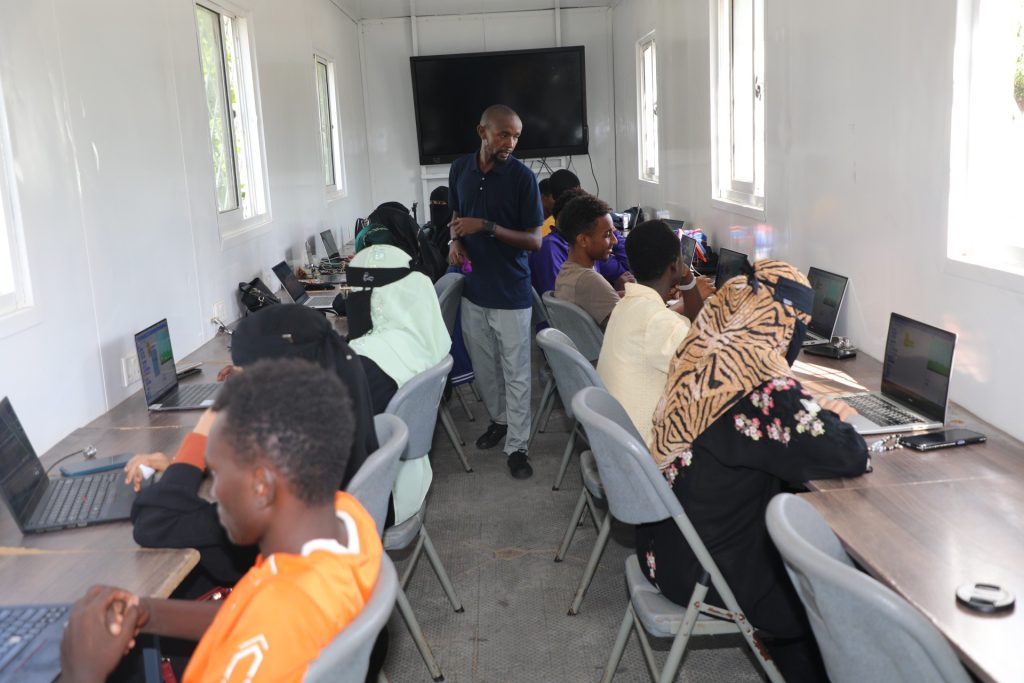
The County Government of Lamu has taken a significant step towards improving living conditions in informal settlements following the presentation of the Situational Analysis and Interim Strategy Report for the Lamu County Slum Upgrading and Prevention Strategy under the Kenya Informal Settlements Improvement Project (KISIP II).
The report highlights the current conditions in informal settlements across the county, focusing on key challenges such as inadequate infrastructure, limited access to clean water and sanitation, insecure land tenure, and environmental vulnerabilities affecting many communities.
According to the findings, the rapid growth of informal settlements has largely been driven by population increase and unplanned urban development in key areas including Mokowe, Witu, Faza, Matondoni, Kiunga, and Siyu.
The situational analysis also notes that many settlements face poor road access, lack of drainage systems, and insufficient waste management services, factors that pose health and environmental risks to residents.
The interim strategy proposes targeted interventions including upgrading of access roads, expansion of water and sanitation infrastructure, strengthening land tenure systems, and integrating environmental sustainability and climate resilience in settlement planning.
Once finalized, the strategy will guide coordinated efforts between the County Government of Lamu, the national government, development partners, and local communities to improve living standards and promote safe, dignified, and sustainable settlements across the county.
— Ends —
For more information, contact the Communications Office at communication@lamu.go.ke
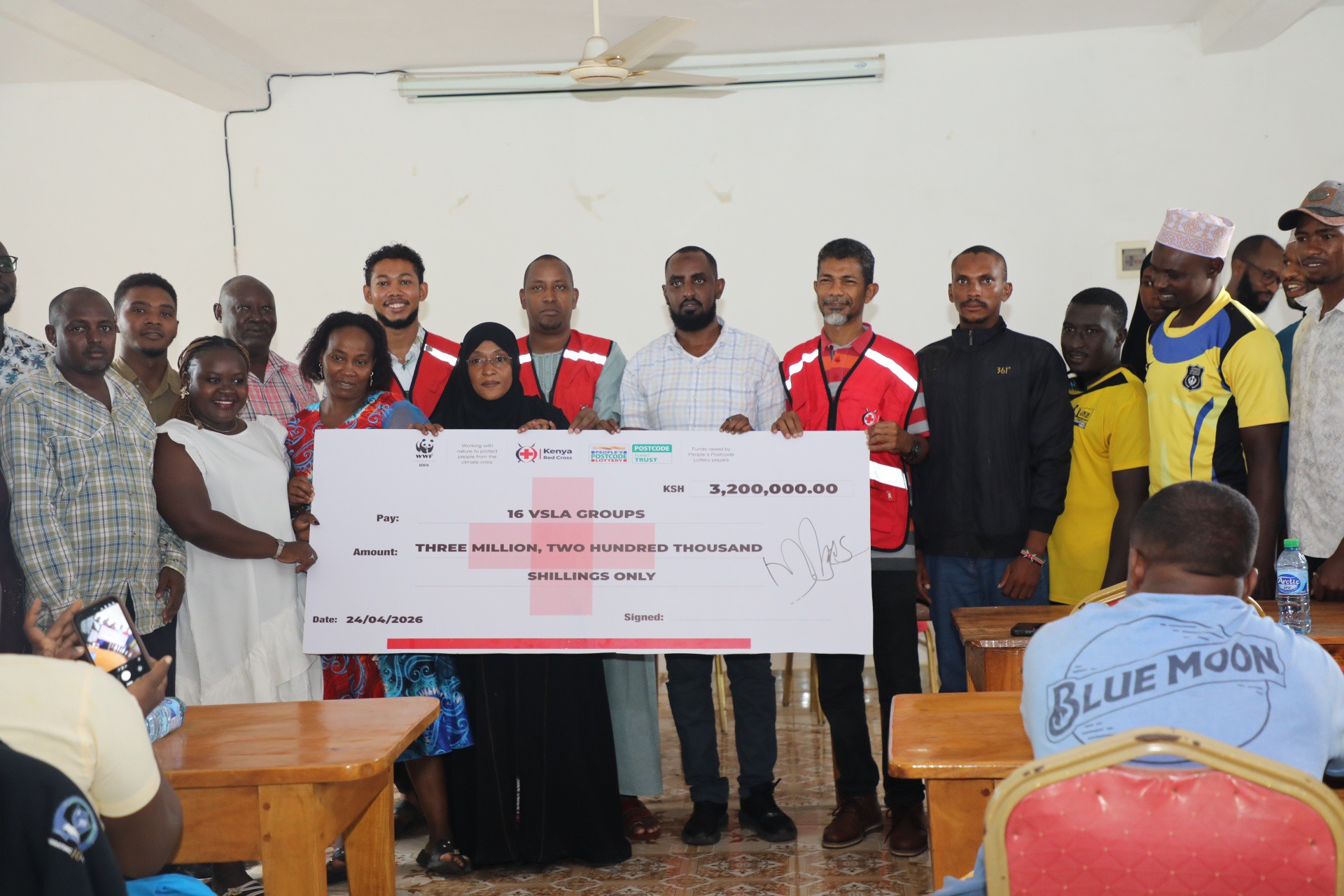
I was deeply honored to host the COIN-10 — Committee on the Implementation of the NADCO Report — in my office earlier today.

The delegation was led by Hon. Dr. Agnes Zani and Mr. Javas Bigambo. I was joined by Hon. MCAs Barisa Deko, Ahmed Medo, Asha Mohamed, Amina, and Mercy Riziki.
We held extensive discussions on several pressing issues affecting Lamu County, key among them being the low shareable revenue allocation, which continues to severely disadvantage Lamu and hinder effective service delivery.
We also emphasized critical infrastructural interventions necessary to curb insecurity and unlock economic potential, including the urgent tarmacking of the Hindi–Kiunga and Mangai–Kiunga roads, as well as fast-tracking the Mangai Dam project to address the perennial water challenges in the Boni enclave.
Further, we discussed unemployment and the need to expand opportunities for the people of Lamu, particularly around the transformative LAPSSET Corridor Project.
We remain committed to sustained engagement to ensure Lamu receives its fair share of national resources and development.